How to Develop a Custom Football Boot From Concept to Production
Developing a custom football boot is one of the most effective ways for sports brands to stand out in today’s highly competitive football footwear market. Instead of selling generic products, brands can create unique boots tailored to specific player needs, playing surfaces, and market segments.
Whether you’re launching a startup football brand or expanding an existing sports footwear collection, understanding the complete football boot development process can save significant time, money, and costly mistakes.
In this guide, we’ll walk through every stage of custom football boot development—from concept creation to mass production.
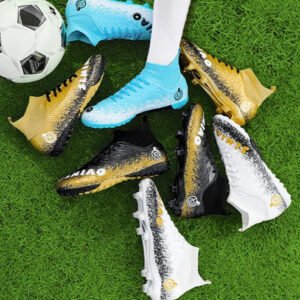
Why Develop a Custom Football Boot?
The global football footwear market continues to grow as players demand better comfort, lighter weight, improved traction, and personalized designs.
Creating a custom football boot allows brands to:
- Build unique product identity
- Differentiate from competitors
- Increase profit margins
- Control material selection
- Create exclusive technologies
- Develop long-term brand value
Many successful football footwear brands began with a single signature boot before expanding their product lines.
Step 1: Define Your Football Boot Concept
Every successful football boot starts with a clear product concept.
Before contacting a football boot manufacturer, answer the following questions:
- Who is your target player?
- What age group are you targeting?
- Which markets will you sell in?
- What price range are you targeting?
- What playing surfaces will the boots support?
Target Player Categories
- Professional athletes
- Semi-professional players
- Academy players
- Youth football players
- Recreational players
The target audience directly influences materials, construction methods, and production costs.
Step 2: Select the Right Football Boot Type
Different playing surfaces require different outsole constructions.
| Boot Type | Playing Surface |
|---|---|
| FG (Firm Ground) | Natural grass fields |
| AG (Artificial Ground) | Artificial turf |
| SG (Soft Ground) | Wet and muddy fields |
| TF (Turf) | Training surfaces |
| IC (Indoor Court) | Indoor football courts |
Choosing the correct outsole is critical for player safety and performance.
If you’re still evaluating manufacturers, read our guide:
How to Choose a Shoes Manufacturer.
Step 3: Design the Upper Construction
The upper is one of the most important elements of football boot performance.
Popular upper materials include:
Microfiber Synthetic Leather
- Lightweight
- Water-resistant
- Durable
- Easy to customize
Engineered Knit
- Excellent flexibility
- Sock-like fit
- Breathable
- Premium appearance
Premium Leather
- Superior touch on the ball
- Traditional football feel
- Comfortable fit
Most modern custom soccer cleats use synthetic microfiber or knitted uppers because they provide a better balance of weight, durability, and cost.

Step 4: Create a Technical Pack
A professional tech pack is essential for successful OEM footwear production.
The tech pack should include:
- Boot sketches
- Color specifications
- Logo placement
- Material specifications
- Size range
- Outsole design
- Packaging requirements
- Construction details
The more detailed your tech pack, the smoother the development process becomes.
Step 5: Develop Prototypes
After receiving your design files, the manufacturer will create prototype samples.
Most football boot projects require:
- Initial sample (Prototype)
- Revised sample
- Pre-production sample
During this stage, evaluate:
- Fit
- Comfort
- Stud configuration
- Weight
- Material quality
- Branding accuracy
Step 6: Performance Testing
Football boots must perform under demanding conditions.
Professional manufacturers conduct testing for:
- Outsole abrasion resistance
- Upper flex durability
- Bonding strength
- Slip resistance
- Color fastness
- Water resistance
Testing helps ensure the product meets customer expectations and market regulations.
For international product safety requirements, consult the official
ISO Standards Organization.
Step 7: Tooling and Mold Development
If you’re creating a completely unique football boot outsole, custom tooling may be required.
Common tooling investments include:
- Outsole molds
- Stud molds
- Logo molds
- Packaging dies
While tooling increases initial costs, it provides maximum product differentiation and long-term competitive advantages.
Step 8: Mass Production Planning
Once samples are approved, production planning begins.
Typical planning activities include:
- Material purchasing
- Production scheduling
- Quality control planning
- Packaging preparation
- Shipping coordination
Typical MOQ for Custom Football Boots
| Project Type | Typical MOQ |
|---|---|
| Private Label | 100–300 pairs |
| ODM | 300–500 pairs |
| OEM Custom Design | 500–1000 pairs |
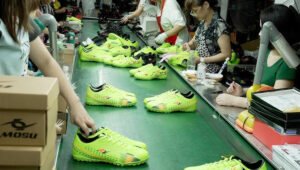
Step 9: Quality Control Before Shipment
Before shipping, every production batch should undergo inspection.
Quality control typically includes:
- Material verification
- Visual inspection
- Size measurement
- Logo inspection
- Packaging inspection
- Random performance testing
A reliable football boot manufacturer should provide detailed QC reports before shipment.
Step 10: Shipping and Market Launch
After production is complete, products are prepared for export.
Common shipping methods include:
- Sea freight
- Air freight
- Rail freight
- Express courier
At the same time, brands should prepare:
- Product photography
- Marketing materials
- E-commerce listings
- Retail packaging
- Launch campaigns
Common Mistakes in Football Boot Development
- Choosing manufacturers based only on price
- Skipping prototype revisions
- Using low-quality upper materials
- Ignoring fit testing
- Unrealistic production timelines
- Poor communication during development
Avoiding these mistakes can significantly improve your product’s success rate.
Why Work With an Experienced Football Boot Manufacturer?
Experienced manufacturers understand football-specific requirements including stud geometry, traction patterns, lightweight materials, and player comfort.
Working with a specialized partner helps reduce development risks while accelerating your path to market.
At EAXIN, we support brands with:
- OEM football boot development
- ODM football boot production
- Private label football boots
- Custom outsole development
- Prototype creation
- Quality control services
- Flexible MOQs
Frequently Asked Questions
How long does custom football boot development take?
Most projects require 90–180 days from concept approval to mass production.
What is the MOQ for custom football boots?
Most manufacturers require 300–1000 pairs depending on customization requirements.
Can I create my own football boot outsole?
Yes. OEM projects can include completely custom outsole and stud designs.
What is the difference between OEM and ODM football boots?
OEM uses your original design, while ODM modifies an existing factory design with your branding.
Conclusion
Developing a custom football boot involves much more than selecting colors and adding a logo. Successful projects require careful planning, technical development, material selection, testing, and quality control.
By working with an experienced manufacturing partner and following a structured development process, brands can create football boots that deliver performance, comfort, and long-term market success.
Related Articles
- How to Choose a Shoes Manufacturer
- Private Label Shoe Manufacturing
- China Shoe Manufacturing Complete Guide