How to Choose Diabetic Shoes: A Complete Guide for Foot Health
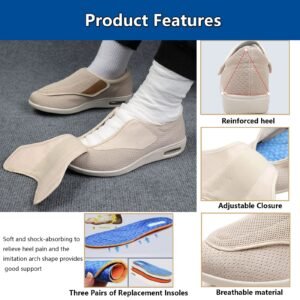
Choosing the right diabetic shoes is crucial for preventing serious foot complications. People with diabetes face higher risks of foot ulcers, infections, and poor circulation. At EAXIN, we understand the importance of therapeutic footwear and manufacture specialized diabetic shoes that combine medical-grade protection with comfort and style.
Why Diabetic Shoes Are Essential for Foot Health
Diabetes can cause nerve damage (neuropathy) and reduced blood flow to the feet, making even minor injuries dangerous. According to the Centers for Disease Control and Prevention, 15% of people with diabetes will develop a foot ulcer in their lifetime.
Diabetic shoes help prevent:
- Foot ulcers and sores
- Infections and amputations
- Corns and calluses
- Pressure points and blisters
- Pain and discomfort during walking
7 Essential Features of Quality Diabetic Shoes
1. Extra Depth and Width
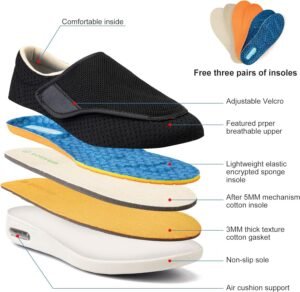
Diabetic footwear needs extra room to accommodate custom orthotics, swollen feet, or foot deformities like hammertoes. Look for shoes with:
- At least 3/16 inch (5mm) extra depth
- Wide toe box that doesn’t compress toes
- Multiple width options (wide, extra-wide)
2. Seamless Interior Lining
Internal seams can create friction and cause blisters or ulcers. Quality diabetic shoes feature:
- Seamless or flat-seam construction
- Soft, moisture-wicking lining materials
- Padded collars and tongues
3. Protective Toe Box
A reinforced toe area protects against injuries:
- Rigid or semi-rigid toe cap
- Rounded, not pointed design
- Adequate vertical space above toes
4. Rocker Sole Design
Rocker soles reduce pressure on sensitive areas:
- Curved bottom promotes natural rolling motion
- Reduces pressure on ball of foot and heels
- Improves gait and reduces fatigue
5. Breathable, High-Quality Materials
Proper materials prevent moisture buildup and infections:
- Leather or breathable mesh uppers
- Moisture-wicking properties
- Stretchable materials for comfort
- Antimicrobial treatments
6. Adjustable Closures
Secure, customizable fit is essential:
- Velcro straps or laces
- Easy to put on and remove
- Accommodates foot swelling throughout the day
7. Cushioned, Supportive Insoles
Proper cushioning protects sensitive feet:
- Removable, multi-density foam insoles
- Arch support for proper alignment
- Shock absorption technology
- Space for custom orthotics if needed
How to Properly Fit Diabetic Shoes
Best Practices for Fitting
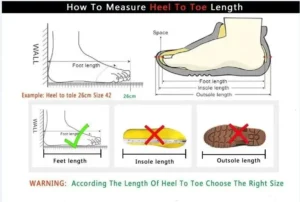
- Get professionally measured: Have both feet measured length and width
- Shop later in the day: Feet swell throughout the day
- Wear diabetic socks: Use the socks you’ll wear with the shoes
- Check toe space: Should have thumb’s width between longest toe and shoe end
- Walk around: Test shoes on different surfaces
- Feel for pressure points: No rubbing, pinching, or tightness
- Break in gradually: Wear 1-2 hours initially, increasing slowly
Who Needs Diabetic Shoes?
You may need therapeutic diabetic shoes if you have:
- Peripheral neuropathy (loss of sensation)
- Poor circulation in feet and legs
- Foot deformities (bunions, hammertoes)
- Previous foot ulcers or amputations
- Calluses or corns
- Kidney disease related to diabetes
According to American Diabetes Association guidelines, proper footwear is essential for anyone with diabetes-related foot complications.
Medicare Coverage for Diabetic Shoes
Good news: Medicare Part B may cover therapeutic footwear if you qualify:
- ✅ One pair of extra-depth diabetic shoes per year
- ✅ Three pairs of custom-molded inserts annually
- ✅ Two additional pairs of inserts per year
Requirements:
- Doctor’s certification of diabetes
- Documentation of foot condition requiring therapeutic shoes
- Prescription from podiatrist or physician
- Fitting by qualified professional
Daily Foot Care Tips for Diabetics
Even with the best diabetic shoes, daily foot care is essential:
- 👣 Inspect feet daily: Check for cuts, blisters, redness, or swelling
- 🧼 Wash daily: Use lukewarm water and mild soap
- 💧 Moisturize: Apply lotion (not between toes)
- ✂️ Trim nails carefully: Cut straight across, file edges
- 🧦 Wear clean, dry socks: Change daily, choose moisture-wicking
- 🌡️ Protect from temperature: Never walk barefoot, even indoors
- 🏥 See a podiatrist: Regular checkups every 2-3 months
Common Mistakes to Avoid
Don’t make these dangerous errors:
- ❌ Wearing shoes that are too tight or narrow
- ❌ Ignoring foot pain or discomfort
- ❌ Walking barefoot anywhere
- ❌ Using heating pads or hot water bottles on feet
- ❌ Self-treating corns or calluses
- ❌ Wearing high heels or pointed-toe shoes
- ❌ Skipping daily foot inspections
Why Choose EAXIN for Diabetic Shoe Manufacturing
We specialize in therapeutic footwear that meets medical standards:
- ✅ Medical-grade materials: Certified safe for sensitive skin
- ✅ Custom manufacturing: Tailored to specific foot conditions
- ✅ Quality certifications: ISO, CE, FDA-compliant materials
- ✅ Experienced team: 10+ years in therapeutic footwear
- ✅ Flexible MOQs: From 100 pairs for startups
- ✅ Private label options: Build your medical footwear brand
When to Replace Diabetic Shoes
Don’t wait until shoes fall apart:
- 🔄 Replace every 3-6 months with daily wear
- 🔄 Check insoles monthly for wear patterns
- 🔄 Replace immediately if you notice:
- Worn-out soles or uneven wear
- Broken or weakened support
- Torn lining or exposed seams
- Loss of cushioning
Ready to Manufacture Diabetic Shoes?
Whether you’re a healthcare provider, medical equipment supplier, or entrepreneur entering the therapeutic footwear market, EAXIN can help you create high-quality diabetic shoes that meet medical standards and provide real protection.
Our team understands the unique requirements of diabetic footwear and can guide you through design, material selection, and production.
Internal Links: Link to /services/medical-footwear, /materials/therapeutic, /certifications pages
Disclaimer: This article is for informational purposes only and does not constitute medical advice. Always consult with a healthcare professional or podiatrist for personalized recommendations about diabetic footwear.