Importing Shoes from China: Complete Guide for Brands
By EAXIN Shoes Team | Updated: August 11, 2026
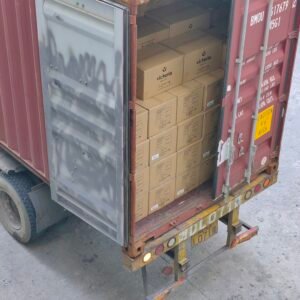
Importing shoes from China is a proven path to building a profitable footwear brand. When you start importing shoes from China, you gain access to the world’s largest footwear manufacturing ecosystem. This complete guide simplifies every step of importing shoes from China, from finding trustworthy suppliers to receiving your goods at your warehouse.
China produces over 60% of the world’s footwear. However, the journey involves many moving parts. This article breaks down each step—sourcing, production, shipping, and customs—into clear, actionable advice. To start, a solid plan reduces risks and boosts profits. Good planning also keeps costs down and quality high.
Where Are Shoes Made in China?
Knowing China’s main footwear regions helps you source smarter. Each area has unique strengths. This knowledge saves time and money when you begin importing shoes from China.
Fujian Province (Quanzhou)
Quanzhou in Fujian is the heart of athletic and casual footwear. This region offers a complete ecosystem. Material suppliers, parts makers, and freight forwarders work closely together. As a result, production lead times are up to 30% shorter. Factories can also make quick adjustments during production.
Most suppliers are based in Quanzhou, making it the top choice for sneakers and sports shoes. These factories typically have over five years of experience. Many specialize in running shoes or vegan sneakers. A major advantage is Quanzhou’s proximity to Xiamen Port, which is just 1-2 hours away. This short distance makes importing shoes from China faster and more reliable.
Zhejiang Province (Wenzhou)
Wenzhou is famous for leather and dress shoes. Factories here frequently export to Europe and North America. Therefore, they are used to meeting high quality standards. They are also known for skilled craftsmanship and the ability to handle large orders.
Guangdong Province
Guangdong specializes in children’s shoes and specialty footwear. Its location near Hong Kong and major ports offers a logistics advantage. This region is another key part of the footwear supply chain.
How to Find and Evaluate Suppliers
Choosing the right factory is the most critical decision when importing shoes from China. A good supplier delivers quality products on time. They also communicate clearly throughout the process.
What to Look For in a Supplier
Start by checking both hard data and soft skills. These are the key criteria for successful importing shoes from China.
Track Record and Reliability
Look for strong performance records. Check the on-time delivery rate—aim for 92% or higher. Top factories exceed 99%. Also, look at response time. Suppliers who reply within 4 hours are more committed. High reorder rates (above 30%) show client satisfaction.
Customization Capabilities
To stand out, you need a factory that can customize. Ask about logo application, color changes, and material substitutions. Some factories offer full design services, including 3D modeling and prototyping.
Quality Control Systems
Always request samples before placing a bulk order. Check stitching, sole bonding, and chemical safety. Consider third-party inspection services like SGS, Bureau Veritas, or TÜV for factory audits.
Supplier Price Tiers
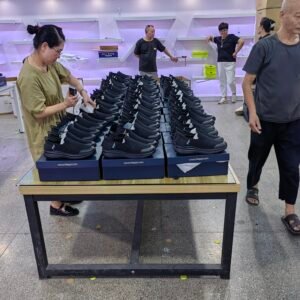
Pricing varies based on order size and customization. Here’s a quick comparison:
| Supplier Type | MOQ | Avg. Unit Price (USD) | Best For |
|---|---|---|---|
| Budget/Bulk | 120+ pairs | $1.59–$3.99 | High-volume, basic products |
| Mid-Tier/Private Label | 20–30 pairs | $10.99–$29.99 | Branded footwear, custom designs |
| Premium/OEM | 2–5 pairs | $34.50–$70.00 | Luxury materials, high customization |
Understanding Costs and Order Quantities
After choosing a supplier, understand the full cost picture. Your total cost per pair goes beyond the factory price. This knowledge is key to importing shoes from China profitably.
Minimum Order Quantity (MOQ)
MOQ varies by supplier and product type. Budget factories often require 120+ pairs. Mid-tier suppliers may accept 20–30 pairs. Premium factories can start at just 2–5 pairs for sampling.
Remember: a higher MOQ lowers the per-unit cost. However, it also increases your financial risk. Start with a quantity that balances cost and your ability to sell.
Breaking Down Your Total Cost
Your total cost per pair includes several components:
- Ex-Works Price: The factory’s unit price based on materials and labor.
- Mold/Tooling Fees: For custom lasts or outsoles. These range from $500 to $5,000+.
- Shipping Costs: Sea freight (cheaper) or air freight (faster).
- Import Duties: Tariff rates vary by product type and country.
- Insurance and Fees: Optional but recommended to protect your shipment.
Shipping from Xiamen Port
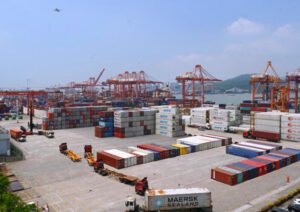
For Fujian factories, Xiamen Port is the main export gateway. It ranks among the top ten ports worldwide. Xiamen offers excellent connections to North America, Europe, and Asia. This makes importing shoes from China more efficient.
Why Xiamen Port Works Well
- Close to factories: Most Fujian factories are just 1-2 hours away by truck.
- Modern facilities: Deep-water berths and advanced cargo handling.
- Frequent sailings: Direct routes to Los Angeles, Rotterdam, and Singapore.
Transit Times from Xiamen
| Destination | Transit Time (Days) |
|---|---|
| Los Angeles / Long Beach | 25–32 days |
| Rotterdam / Hamburg | 30–38 days |
| Singapore | 6–10 days |
| Jebel Ali (Dubai) | 18–25 days |
Customs Clearance
Customs delays are common but avoidable. Good preparation prevents problems. This step is critical when importing shoes from China.HS Codes for Footwear
Shoes fall under HS Chapter 64. Common codes include:
- 6402 – Rubber/plastic uppers (sneakers, casual shoes)
- 6403 – Leather uppers (dress shoes)
- 6404 – Textile uppers (canvas shoes)
Required Documents
- Commercial Invoice: Shows the value of your goods.
- Packing List: Details weight and contents of each box.
- Bill of Lading (B/L): The key document for claiming your goods.
- Certificate of Origin (C/O): Proves where the shoes were made.
Quality Control
Skipping quality checks is a costly mistake. A pre-shipment inspection costs less than 2% of your order value. However, it can save you from receiving defective goods. This is especially important when importing shoes from China for the first time.
Three Key Inspection Points
- Pre-Production Sample: Check materials and construction before mass production.
- In-Process Inspection: Request photos during production.
- Pre-Shipment Inspection: Use a third-party service to verify quality.
Common Defects to Watch For
- Poor stitching or seam separation
- Sole separation or weak adhesion
- Uneven coloring or material flaws
- Uncomfortable fit or poor cushioning
Common Mistakes and How to Avoid Them
Even experienced importers make mistakes. Here are the most common ones when importing shoes from China and how to avoid them.
Underestimating Lead Times
The whole process takes 8-16 weeks. Delays happen due to Chinese New Year, port congestion, or material shortages. Always add a 2-3 week buffer to your schedule.
Poor Communication
Language and cultural differences can cause misunderstandings. Use simple language and share photos. Confirm everything in writing. A bilingual agent can help with complex projects.
Not Protecting Your Designs
Factories may copy your designs. Have the supplier sign a Non-Disclosure Agreement (NDA). For valuable designs, register your IP in China.
Choosing the Cheapest Factory
Low prices often mean low quality. Your brand’s reputation will suffer. Focus on value, not just price.
Building a Strong Supplier Relationship
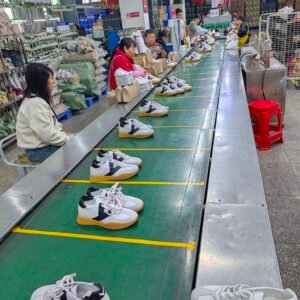
Think of your supplier as a partner. A good relationship leads to better pricing and priority treatment. This partnership is the foundation of successful importing shoes from China.
Communicate Regularly
Share your business goals and sales forecasts. Your supplier can offer advice on materials and costs. This builds trust and mutual commitment.
Visit the Factory
If possible, visit your supplier in person. It shows you’re serious and helps you understand their operations. Meeting the team face-to-face strengthens the relationship.
Be Consistent
It’s good to have a backup supplier. However, constantly switching factories is counterproductive. A stable relationship with one reliable partner usually delivers better results.
Conclusion: Your Path to Successful Importing
Importing shoes from China takes time and effort. However, the rewards are worth it. Success comes from choosing the right supplier, understanding your costs, and checking quality at every step.
Follow this guide to build a reliable supply chain. Working with an experienced manufacturer like EAXIN can simplify your import journey. We offer custom development, flexible MOQs, and professional quality control.
Ready to start importing shoes from China? Contact EAXIN today.
Ready to start importing shoes from China?
Contact EAXIN for expert guidance on sourcing, manufacturing, and importing footwear.
Hi, this is a comment.
To get started with moderating, editing, and deleting comments, please visit the Comments screen in the dashboard.
Commenter avatars come from Gravatar.