Ultimate Guide to Shoe Sole Materials: EVA, PU, Rubber & More
By EAXIN Shoes Team | Updated: August 8, 2026
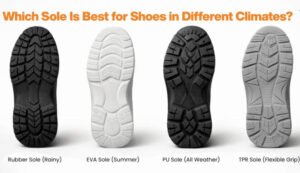
The sole is the foundation of any shoe. It determines performance, durability, comfort, and aesthetics. Therefore, choosing the right sole material is a critical decision for any brand owner or designer.
This guide breaks down the most common sole materials. We will cover EVA, polyurethane (PU), rubber, and thermoplastic polyurethane (TPU). We will also touch on phylon, PVC, leather, and wood. By the end, you will be able to make informed choices for your custom shoe project.
Why Sole Material Matters
The sole material affects many factors. These include cushioning, energy return, traction, and flexibility. Durability and weight also depend heavily on your material choice. Cost and sustainability are increasingly important too. Let’s look at each factor in detail:
- Performance: Cushioning, energy return, traction, and flexibility vary dramatically between materials.
- Durability: Some materials wear out quickly. Others last for years of heavy use.
- Weight: Lighter materials improve speed and reduce fatigue. However, they may compromise durability.
- Cost: Material costs and manufacturing complexity affect the final price of your shoe.
- Sustainability: Environmental impact is increasingly important to consumers and regulators.
You must balance these factors against your specific use case and target market. There is no single “best” material. The right choice depends on your goals.
Material Comparison at a Glance
| Material | Weight | Durability | Cushioning | Cost | Best For |
|---|---|---|---|---|---|
| EVA | Very Light | Moderate | Excellent | Low | Running, casual |
| PU | Light | Good | Excellent | Moderate | Premium casual, work |
| Rubber | Heavy | Excellent | Moderate | Moderate-High | Outdoor, hiking |
| TPU | Moderate | Very Good | Good | High | Performance, technical |
| Phylon | Light | Moderate | Good | Low | Sports, general use |
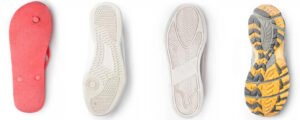
1. EVA (Ethylene-Vinyl Acetate) — The Lightweight Champion
- Extremely lightweight
- Excellent shock absorption
- Good flexibility
- Low cost
- Easy to mold
- Lower durability
- Poor traction on wet surfaces
- Temperature sensitive
- Limited abrasion resistance
Best applications: Running shoes, casual sneakers, children’s footwear, and any design where weight reduction is critical.
EAXIN tip: For better durability, consider a “blown EVA” mixed with other compounds. Alternatively, combine an EVA midsole with a rubber outsole for improved traction. For more technical details, you can refer to this external resource on EVA properties.
2. PU (Polyurethane) — Premium Performance and Durability
What is PU? It is a versatile polymer. It offers superior performance characteristics. Consequently, it is a popular choice for premium and performance footwear. Manufacturers can formulate it in different densities.
- Excellent cushioning
- Good durability
- Superior energy return
- Resistant to oils and chemicals
- Can be very light
- Higher cost
- Hydrolysis risk in high humidity
- Complex manufacturing
- Slower production
Best applications: Premium casual footwear, dress shoes, work boots, and comfort-oriented athletic shoes.
EAXIN tip: PU soles are often the choice for brands emphasizing “premium comfort.” They are excellent for high-end private label projects. Learn more about PU chemistry from this external resource on polyurethane.
3. Rubber — The Durability King
What is Rubber? It is the traditional sole material. Manufacturers prize it for its unmatched durability and grip. They use natural rubber or synthetic compounds, depending on the application. However, rubber is significantly heavier than foam options.
- Exceptional durability
- Superior traction
- Strong chemical resistance
- Heat resistance
- Good insulation
- Heavy
- Less cushioning
- Higher cost
- Limited flexibility in cold weather
Best applications: Hiking boots, work boots, outdoor footwear, and winter boots where traction and durability are paramount.
EAXIN tip: Consider using a rubber outsole with an EVA or PU midsole. This combines lightweight cushioning with durable traction.
4. TPU (Thermoplastic Polyurethane) — Technical Excellence
What is TPU? It is a high-performance material. It combines the elasticity of rubber with the durability of plastics. Therefore, it is increasingly popular in performance and technical footwear.
- Excellent durability
- Good cushioning and energy return
- Highly resistant to weather and chemicals
- Available in clear/translucent options
- Recyclable
- Higher cost
- Heavier than EVA or PU
- Complex manufacturing
- Less cushioned than PU
Best applications: Sports shoes, soccer cleats, safety footwear, and technical outdoor shoes.
EAXIN tip: TPU is often used for heel cages, shanks, and protective toe caps. Its rigidity and durability make it ideal for these structural parts. For technical specifications, check this external article on TPU applications.
5. Additional Sole Materials
Phylon
This is a type of EVA that is heated and compressed. Consequently, it becomes lighter and more resilient than standard EVA. It offers good cushioning and is relatively affordable. This makes it popular for sports shoes and general-use footwear.
PVC (Polyvinyl Chloride)
This is a synthetic plastic polymer. Manufacturers use it mostly for inexpensive, casual footwear. It is water-resistant and inexpensive. However, it lacks the cushioning and durability of other materials. Therefore, we recommend avoiding it for quality-focused brands.
Leather
Leather soles are traditional in high-end dress shoes and loafers. They offer breathability and style. Nevertheless, they have poor traction and durability on wet surfaces. They are a niche choice for formal footwear only.
Wood / Cork
These materials appear in some lifestyle and fashion footwear. They offer natural aesthetics and comfort. However, they provide limited performance and durability. They are more of a design statement than a performance solution.
How to Choose the Right Sole Material for Your Brand
Selecting the perfect sole material depends on your specific needs. Here is a step-by-step approach to guide you:
- Know your use case: The intended activity should drive your material choice. For example, running demands cushioning. Hiking demands durability and traction.
- Know your target price: Your retail price point will dictate material options. Higher price points allow for premium PU, TPU, or hybrid constructions.
- Consider your brand positioning: Is comfort, performance, or durability your primary selling point? Choose materials that reinforce your brand story.
- Evaluate weight and aesthetics: Does your design call for a sleek, lightweight profile? Or a chunky, rugged look?
- Think about sustainability: Increasingly, consumers demand environmentally responsible materials. Consider recycled rubber, bio-based PU, or recyclable TPU.

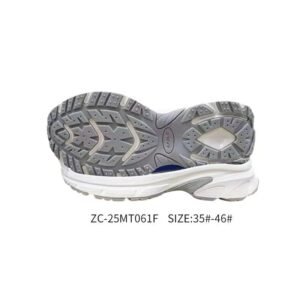
EAXIN Insight: Many successful brands use hybrid sole constructions. They combine different materials in a single sole. For instance, an EVA midsole provides lightweight cushioning. A rubber or TPU outsole adds traction and durability. This offers the best of both worlds. It can be a powerful differentiator for your brand.
Conclusion
Choosing the right sole material is a strategic decision. It affects performance, price, sustainability, and style. By understanding the strengths and limitations of each material, you can make informed choices. These choices should align with your brand’s vision and your customers’ expectations.
At EAXIN Shoes, we help our clients navigate these decisions. We offer expert guidance on material selection and manufacturing processes. Whether you are launching a performance running shoe or a premium casual sneaker, we can help you find the perfect sole solution.
For more insights on custom shoe development, explore our comprehensive guide on The Complete Custom Shoe Manufacturing Process.
Need help choosing the right sole for your shoe?
Contact EAXIN Shoes for personalized material recommendations and a custom quote.