Why Golf Shoes Matter: A Technical B2B Guide to Performance, Comfort & Sourcing
Golf footwear engineering — traction, stability, materials, and what buyers should look for in OEM manufacturing
⏱️ 10 min read
🏷️ #GolfFootwear #OEMSourcing #B2B
For most golfers, shoes are an afterthought — until blisters, slipping, or foot fatigue ruins a round. For B2B buyers, sourcing golf shoes requires understanding the engineering beneath the upper. This guide explains why golf shoes matter from a biomechanical and material science perspective, and what specifications to request from suppliers.
“`html
In addition, many brands work with a
golf shoes manufacturer
to develop performance-focused footwear for different playing conditions.
Companies looking to create exclusive collections often partner with a
custom shoes manufacturer
to develop unique golf shoe designs and branding.
“`
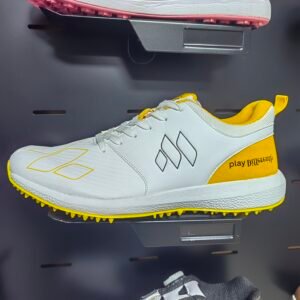
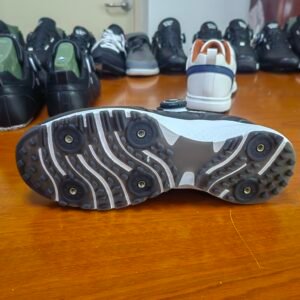
1. Traction Systems: Spiked vs. Spikeless — A Technical Comparison
The outsole is the single most critical component for golf performance. Unlike running or basketball, golf requires a stable base during rotational torque (the swing) while allowing walking comfort over 6–8 miles.
2. Lateral Stability & Swing Mechanics
During a golf swing, the lead foot experiences forces up to 2.5x body weight laterally. Quality shoes use a TPU heel counter, midfoot shank, and wider forefoot platform to resist twisting.
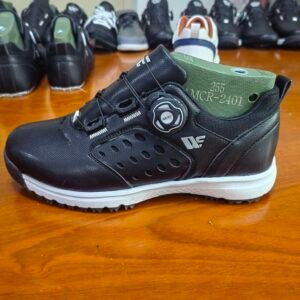
3. Comfort Engineering: What Goes Into a 5‑Hour Round?
Midsole foam quality varies significantly. Request density (0.20–0.28 g/cm³), compression set (<15%), and rebound resilience (>50%) specs from suppliers.
Insole / Footbed
A removable, molded EVA or PU footbed with arch support and heel cupping is standard in the $60+ price tier. Budget shoes often use a flat, non‑removable foam sheet.
Upper Material & Breathability
Look for waterproof membranes (e.g., PU‑coated mesh) with air permeability ≥ 80 L/dm²/min (ASTM D737) for warm‑weather shoes.
4. The Business Case: Golf Footwear Market Data
“`html
According to the
National Golf Foundation
,
golf participation continues to grow globally, creating new opportunities for golf footwear brands.
Furthermore, industry trends and participation data are regularly published by
The R&A
,
one of the leading governing organizations in golf.
“`
👟 65% of golfers own 2+ pairs
🌎 Asia‑Pacific fastest growing
5. OEM Sourcing Checklist
“`html
Moreover, brands interested in launching their own product lines should understand the process of
private label shoe manufacturing
before selecting a supplier.
“`
- Last library (widths, volume for men/women)
- In‑house outsole mold making
- Waterproof testing (10,000 flexes, no leakage)
- Customization: logo placement, Pantone colors
- Certifications: BSCI, Sedex, SMETA
6. Common Failure Points in Low‑Quality Golf Shoes
- Upper delamination after moisture exposure
- Spike receptacle breakage in cold weather
- Midsole compression set within 20 rounds
- Insole disintegration
This guide is part of our ongoing series on footwear technical sourcing. For specific golf shoe OEM inquiries, contact our team.
“`html
Frequently Asked Questions
Why are golf shoes important?
Golf shoes provide traction, stability, and comfort during the swing while reducing fatigue during long rounds.
What is the difference between spiked and spikeless golf shoes?
Spiked golf shoes offer maximum traction on wet or soft courses, while spikeless models provide greater versatility and everyday comfort.
Can golf shoes be customized?
Yes. Manufacturers can customize logos, colors, upper materials, outsoles, packaging, and performance features.
How do I choose a golf shoes manufacturer?
Look for manufacturing experience, quality control systems, customization capabilities, certifications, and reliable delivery performance.
“`
As a result, golf footwear remains one of the most important equipment categories for players seeking comfort, stability, and performance.
If you are sourcing golf footwear for your brand, visit our
page to discuss OEM and private label manufacturing opportunities.
BSCI Certified Footwear Manufacturer — Jinjiang, China